
- Precision slitting: Tight tolerance edges minimize dusting, fuzz and burrs for cleaner rolls.
- Longer life: Premium steels, coatings and carbide options reduce changeovers and downtime.
- Stable webs: Sharp, consistent edges help maintain lane control and slit quality at speed.
- ISO-friendly: Low contamination options support clean production and quality audits.
Need Help? Call Us Today: 310.452.1034
}


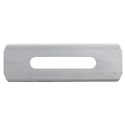

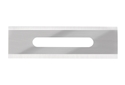

Converting Razor Slitting Blades
Get clean, accurate slits and fewer web breaks with our Converting Razor Slitting Blades. Engineered for consistent slit widths and long run times, these blades excel on film, foil, paper, laminates, labels and other flexible materials—whether you’re running narrow webs or high-speed lines.
Jump to: Overview • Key Features • Industries & Applications • Blade Options • Compatibility & Specs • Related Categories • FAQs
Overview
Key Features
- Edge geometries: Single-edge & double-edge profiles (square corners, hollow-ground, 3-facet).
- Materials: High-carbon steel, stainless steel, and tungsten carbide for maximum wear.
- Coatings: PTFE/SmartCoat-type performance coatings reduce friction and heat buildup.
- Fitment: Common formats include 3-hole, slotted, and standard single-edge styles.
- Through-hardened: Consistent hardness across the blade body for uniform wear.
Industries & Applications
- Flexible Packaging: BOPP, PET, PE, nylon, laminates
- Label & Tape: PSA substrates, liners, protective films
- Paper & Tissue: Fine papers, specialty grades, release papers
- Foil & Metals: Aluminum foil, thin metals, metallized films
- Electronics & Clean Converting: Optically clear films, battery & semiconductor packaging
Blade Options in This Category
- Square Corners Slitter Blades — crisp, straight slits for film/foil/paper lanes.
- Performance-Coated Slitter Blades — lower friction, less heat, longer edge life.
- Carbide 3-Hole Blades (10-packs) — extreme wear resistance for long campaigns.
- Tungsten Carbide Slotted Blades (10-packs) — precise cut tracking and durability.
- Hollow-Ground / Double-Edge Options — smooth feel and reduced web disturbance.
Tip: For very abrasive substrates or high-speed lines, choose tungsten carbide or a performance-coated edge to reduce blade changes.
Compatibility & Specs
- Common holders: Fits standard slitting holders used in converting lines (3-hole & slotted patterns widely supported).
- Edge thicknesses: Typical razor thickness range 0.009"–0.015" (product-specific).
- Lengths & heights: Standard single-edge footprints (e.g., ~1.50" × 0.75") and specialty formats available.
- Finish: Uncoated, PTFE-type coated, stainless, and carbide for process fit.
FAQs
What is the main difference between coated and uncoated slitter blades?
Coated blades reduce friction and heat, improving slit edges and extending life—ideal for thin films and long runs. Uncoated is a good budget choice for short jobs or less abrasive materials.
When should I choose tungsten carbide?
Use carbide for abrasive webs (filled films, metallized layers), very high speeds, or when maximizing time between changeovers is critical.
Do these blades fit my existing 3-hole holder?
Most 3-hole and slotted patterns conform to common converting standards. Check product specs/drawings or contact us with your holder details to confirm.
How do I reduce dusting and web fuzz?
Pair a sharp, low-friction edge (coated or hollow-ground) with proper web tension and clean holders. Replace blades before they dull to keep edges clean.
Which thickness should I pick?
Thinner blades (e.g., ~0.009") tend to cut “faster” with less disturbance; thicker blades (~0.012"–0.015") provide more stability and durability. Match thickness to substrate and line speed.
61-0083 Personna Square Corners Slitter Blade - Hollow Ground Edge
Proudly made in the USA! High Quality and Long Life!
$26.20
Accutec Pro Infinity Tungsten Carbide Slotted Blade - 10 Blades
High Quality and Longest Life!
$160.00
APBL-2000-0000 Blue Steel Slitter Blade with MicroCoat
.017" double-edge slotted slitter blade made from blued carbon steel with PTFE MicroCoat technology and 3-facet edges on both sides. Sized at 2.25" x 0.75" and packed 100 blades per carton.
$48.89
APBL-2001-0000 Low Drag Carbon Steel Slitter Blade with MicroCoat - 100 Blades
.015" low drag slotted slitter blade made from high carbon steel with PTFE MicroCoat technology, coated double-edge construction, and 3-facet edges. Sized at 2.25" x 0.75" and packed 100 blades per carton.
$48.89
APBL-2002-0000 Premium Slitter Blade with TiN Coating - 100 Blades
.017" double-edge slotted slitter blade made from blued carbon steel with TiN coating and 3-facet edges. Sized at 2.25" x 0.75" and packed 100 blades per carton.
$236.00
APBL-2003-0000 Stainless Steel Slitter Blade with TiN Coating - 100 Blades
.015" double-edge slotted slitter blade made from stainless steel with TiN coating and 3-facet edges. Sized at 2.25" x 0.75" and packed 100 blades per carton.
$370.00
APBL-2004-0000 Performance Coated Slitter Blade - 100 Blades
.015" Infinity double-edge slotted slitter blade made from high carbon steel with SmartCoat™ DLC coating and 3-facet edges. Designed for converting applications involving film, foil, paper, and laminates.
$421.00
Personna 52-150 Stainless Steel Round Corners Slitter Blade
Proudly made in the USA! High Quality and Long Life!
$63.20
88-0435 Single Edge Slitter Blade - Hollow Ground Edge
Proudly made in the USA! High Quality and Long Edge Life!
$32.25
88-0163 Double Edge Square Corners Hollow Ground Slitter Blade - 500 Blades
Proudly made in the USA! High Quality and Long Life!
$127.25
88-0767 Single Edge Square Corners SS Slitter Blade - 500 Blades
Proudly made in the USA! High Quality and Long Life!
$256.81
filters
Filter by attributes
- Blade Edge
- Hollow Ground
- 2 Facet
- 3 Facet
- Blades per Carton
- 100
- Cartons per Case
- 10
- Material
- Carbon Steel
- Stainless Steel